- 1. The Foundation of a 5-Star Experience: Systems Over Luck
- 2. Designing & Enforcing SOPs: Moving from Vision to Workflow
- 3. Expectation Management: Underpromising and Overdelivering
- 4. Protecting Practice Culture and Staff Retention
- 5. Mastering Hard Conversations & Positive Reinforcement
- 6. Harnessing AI Efficiency Without Losing the Human Touch
- 7. Building Brand Magnetism: Ambassador Marketing vs. Discounting
- Strategic Success Framework
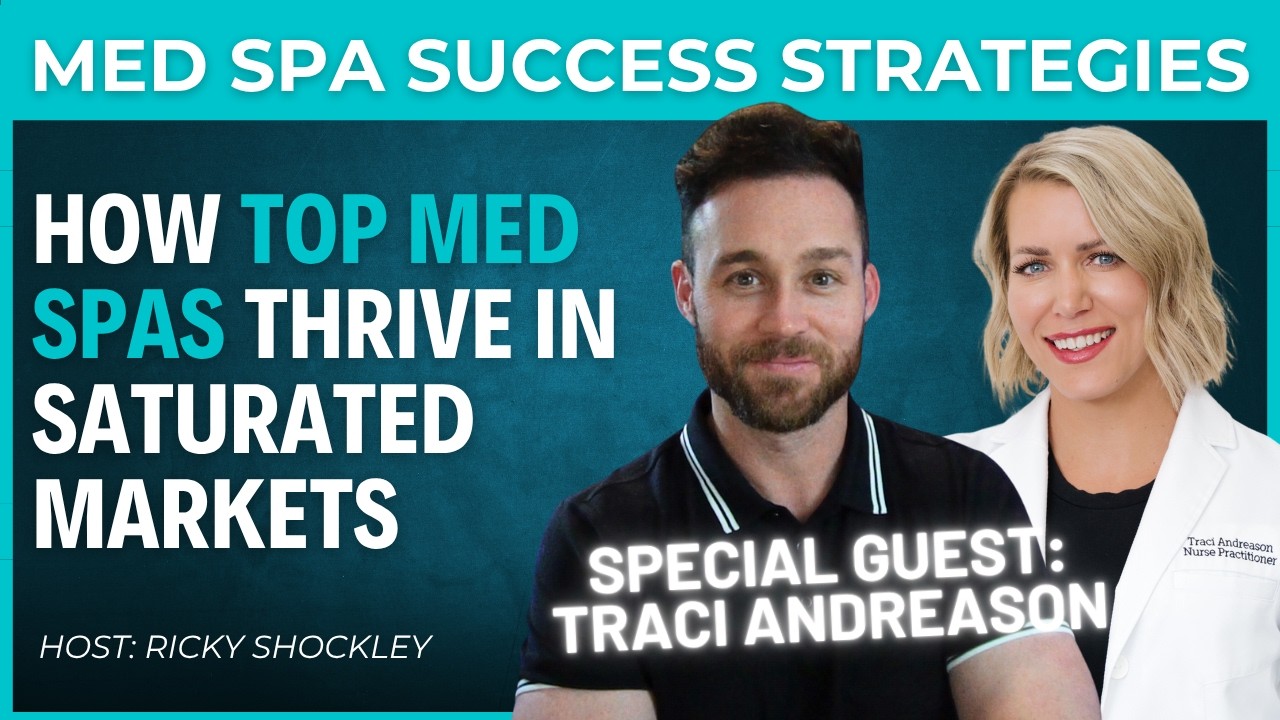
In a recent in-depth interview with Traci Andreason—board-certified nurse practitioner, founder of Rise Rejuvenation Center, and CEO of Injector’s Guide—we unpacked the exact operational frameworks, leadership strategies, and patient management protocols needed to scale a top-tier aesthetic practice. Achieving over 500 five-star Google reviews while maintaining high team retention and strong profit margins is not an accident—it is the direct result of robust Standard Operating Procedures (SOPs), intentional culture building, and strict expectation management.
1. The Foundation of a 5-Star Experience: Systems Over Luck
A patient’s perception of a practice begins long before they walk through the front door. The very first touchpoint—whether a social media ad, a website landing page, or a word-of-mouth referral—sets the trajectory for the entire patient journey.
To consistently earn organic five-star reviews, practices must align their public image with the in-office reality. When expectations match execution seamlessly, friction disappears.
The 5-Star Patient Experience Lifecycle:
- Patient Discovery (Website / Social Media / Referral)
- Seamless Booking & Expectation Setting
- Standardized In-Office VIP Arrival (SOP-Driven)
- Perfectionist Provider Experience & Outcome
- Intentional, Direct Review Request
The VIP Standard
Regardless of who a patient is, how they heard about the practice, what treatment they are receiving, or which provider they are booked with, they must feel like the single most important person in the practice.
Achieving this level of service across hundreds of patient interactions requires strict standardization:
- Protocols for every interaction: Standardize how the front desk greets incoming patients, how patients are escorted to rooms, what amenities are offered, and how providers begin and conclude consultations.
- Minimizing human error: Aesthetic medicine is a high-touch, human-centric industry where human error is a constant variable. Detailed SOPs create a protective buffer around the patient experience, ensuring small logistical hiccups go unnoticed.
- Asking for reviews intentionally: Patients typically leave unprompted reviews for two reasons: extreme dissatisfaction or extreme shock at an unexpected outcome. Effective marketing should eliminate negative surprises while establishing a baseline of excellence. Because meeting high expectations feels normal to the patient, earning a review requires a direct, intentional ask:
“I am so glad you had a great experience today. Would you be willing to leave a review for us on Google? It really helps other patients find the care they need.”
When patients feel truly cared for within a structured, high-touch system, they write detailed, glowing reviews that authenticate the brand’s reputation.
2. Designing & Enforcing SOPs: Moving from Vision to Workflow
Standard Operating Procedures should never be liquid documents that gather dust in a digital folder. They must serve as the active backbone of daily operations.
Aligning SOPs with Core Values
Every product, service, protocol, and new hire must pass a litmus test based on the practice’s core values and mission statement. Grounding operational choices in a clear organizational purpose gives staff context for why specific standards exist, transforming compliance from a chore into a shared commitment.
Developing and Updating Protocols
While practice owners and leadership teams define the overall vision, protocol development requires active feedback from front-line staff:
- Identify system failures: Maintain an open dialogue with team members to spot where operational friction occurs.
- Design centralized solutions: Leadership must step in to build clear, repeatable systems rather than placing the burden of problem-solving on staff.
- Establish department leadership: Appoint specialized leads (such as a Medical Director and an Aesthetic Director) to conduct regular monthly one-on-ones, keeping team members aligned with the protocol handbook.
Making SOPs Actionable
Do not expect employees to memorize exhaustive training manuals. SOPs must be integrated directly into daily physical and digital workflows.
For instance, a front-desk check-in workflow should be condensed into a clear checklist positioned directly at the reception station:
Front Desk Check-In Checklist
- Greeting: Warmly greet the patient by name.
- Hospitality: Offer a beverage or amenity.
- Administration: Confirm intake paperwork completeness.
- Communication: Notify the provider via internal messaging.
- Comfort: Direct the patient to comfortable seating.
Teams can only perform to the level of accountability and clarity provided by leadership. Making expectations clear and frictionless sets everyone up for success.
3. Expectation Management: Underpromising and Overdelivering
The aesthetic industry is saturated with heavily filtered social media content and dramatic transformation photos. Patients often arrive with unrealistic expectations regarding what a single treatment can accomplish. Balancing high excitement with clinical reality requires strategic communication.
Realigning Social Media Hype with Clinical Reality
When a patient brings in a dramatic before-and-after photo of a full-face transformation, validated enthusiasm must meet personalized assessment:
- Acknowledge the goal: Validate their aesthetic vision so they feel heard.
- Pivot to individualized assessment: Politely reset expectations by pointing out structural differences:
“I love that you brought this in—it helps me understand your ultimate end goal. I’m going to conduct a full-face assessment tailored specifically to your unique anatomy. We want to maximize your specific potential, not replicate someone else’s facial structure.”
Strategic Treatment Pacing
To overdeliver, build conservative pacing into your proposed treatment plans. If achieving a patient’s goal is expected to take two visits, advise them to plan for three.
- Clinical Estimate: 2 Sessions → Promised Plan: 3 Sessions → Outcome: Goal Met in 2 Sessions (Delighted Patient)
Leaving room for biological variability prevents patients from feeling cheated if full correction requires an extra step. If goals are met early, the patient views the outcome as an exceptional bonus.
The Power of Intentional Language
The framing of clinical follow-ups heavily impacts patient perception. Shifting from defensive language to confident framing completely alters how patients view routine post-treatment checks:
| Defensive Framing (Sows Doubt) | Confident Framing (Builds Trust) |
| “I’d like to see you back in two weeks just in case something didn’t turn out quite right.” | “I am a perfectionist with all of my patients. I schedule a two-week follow-up to ensure your results settle completely optimally.” |
If a minor asymmetry occurs at day 13 under defensive framing, the patient views the provider as incompetent. Under confident framing, the patient appreciates having a detail-oriented provider who is already prepared to perfect their result.
4. Protecting Practice Culture and Staff Retention
Employee turnover in the med spa industry is exceptionally costly. Beyond direct recruitment and training expenses, high turnover creates severe operational disruptions and degrades patient trust. Protecting workplace culture requires proactive safeguards.
Core Culture Safeguards:
- Eliminate internal competition: Adopt a shared success model across all providers rather than commission wars.
- Implement multi-stage hiring: Include a mandatory team “vibe check” lunch.
- Enforce a 60-day probation period: Evaluate character and culture fit strictly.
- Pace organizational updates: Limit major operational rollouts to 6-week intervals to prevent burnout.
Eliminating Toxic Internal Competition
Many traditional med spa structures foster unhealthy environments where providers fight over patient volume. Practices thrive when they cultivate a collective mindset: when one provider rises, the entire practice rises.
To maintain a healthy internal dynamic:
- Screen for cultural alignment: Shield the business from gossip and internal drama during every stage of recruitment.
- Pace organizational change: Avoid rolling out multiple operational changes in rapid succession. Even positive updates create mental fatigue. Spacing major operational rollouts by at least six weeks allows staff to adapt smoothly without feeling overwhelmed.
Strategic Hiring: The “Hell Yes” Rule
When expanding a team, avoid settling for candidates who merely meet basic resume requirements. If an applicant is not a “hell yes,” they are a no.
A rigorous multi-step hiring process ensures strong team fit:
- Initial Screening Call: Assess baseline qualifications and communication skills.
- In-Person Interview: Evaluate professional background, alignment with core values, and clinical/operational competence.
- Team “Vibe Check”: Invite the candidate for an informal lunch with the existing team. The entire team must provide input before a hiring decision is finalized.
- Final Leadership Review: Align on specific role expectations and performance goals.
Firing Intentionally
Technical competencies—such as learning software systems or refining consultation workflows—are fully coachable during a standard 60-day probation period. Character flaws, dishonesty, and toxic behavior are not.
If a new hire displays poor cultural fit or gossip within their initial 60 days, part ways immediately. Retaining a toxic employee is far more expensive than making a hiring mistake.
5. Mastering Hard Conversations & Positive Reinforcement
Delivering constructive criticism to staff requires a foundation of trust. Leaders must build up positive interactions continuously so that constructive feedback is received constructively rather than defensively.
The 90/10 Rule of Workplace Interactions
Just as effective parenting relies on reinforcing positive choices, business leadership requires active praise for everyday contributions. If 90% of staff interactions consist of genuine recognition (e.g., acknowledging smooth patient handoffs or strong retail performance), the remaining 10% reserved for corrective coaching will feel supportive rather than punitive.
Enforcing Leadership Accountability
Leaders who struggle with direct confrontation should establish internal accountability systems. Share tough feedback goals with a practice manager or executive team member prior to difficult conversations to ensure follow-through and maintain professional standards.
Systematizing Internal Recognition
Make positive feedback a permanent part of internal meeting structures:
Weekly Staff Meeting Agenda
- KPIs & Operational Updates: Practice metrics and high-level strategy.
- Clinical & Safety Focus: Protocol refreshes and educational tips.
- “Rising Moments”: Peer-to-peer appreciation and win shout-outs.
Dedicated peer recognition ensures employees feel valued for daily operational support, keeping team morale consistently high.
6. Harnessing AI Efficiency Without Losing the Human Touch
Artificial intelligence offers massive opportunities to streamline operations, cut administrative overhead, and boost lead conversion—provided it is deployed strategically.
| Automate with AI | Keep High-Touch Human |
| • Automated missed-call texts | • In-person full-face consultations |
| • After-hours booking assistance | • Deep relationship building |
| • Lead-nurturing drip sequences | • Clinical assessment & treatment execution |
| • Internal data mining & queries | • High-stakes patient care decisions |
| • Ambient SOAP note drafting |
Operational & Patient-Facing AI Applications
- 24/7 Virtual Patient Care Coordinators: AI platforms handle after-hours inquiries, answer routine scheduling questions, send automated missed-call responses, and manage lead-nurturing sequences seamlessly.
- Internal Data Mining: Instead of manually digging through electronic medical records (EMR), practices can leverage AI tools to query complex patient metrics—such as identifying every patient who received lip filler over a 12-month period but has not returned for a follow-up.
- Ambient Clinical Documentation: Utilizing HIPAA-compliant ambient transcription software during hour-long consultations allows providers to focus entirely on patient connection while AI automatically formats clinical notes into standardized SOAP (Subjective, Objective, Assessment, Plan) records.
Guardrails and Training
AI platforms require continuous prompt engineering and active supervision. If an AI system is not explicitly trained on your full service catalog, it may confidently misinform patients about available treatments. Keep relationship-building and complex clinical evaluations strictly in human hands to preserve brand authenticity and prevent commodity traps.
7. Building Brand Magnetism: Ambassador Marketing vs. Discounting
Competing on price is a race to the bottom that erodes profit margins, degrades brand value, and attracts bargain-seeking clients with low lifetime value (LTV). Premium med spas differentiate by building brand authority and magnetism.
| The Discount Retainer Trap | The Brand Magnetism Model |
| • Rotating flash sales | • Premium baseline pricing |
| • Low margins, eroded brand value | • Protected margins, high client lifetime value |
| • Price-sensitive, non-loyal leads | • Value-add incentives over price cuts |
| • High provider fatigue & burnout | • Long-term ambassador partnerships |
Scaling Through Local Ambassador Marketing
Influencers used for brand growth must mirror your ideal client avatar. A localized micro-influencer with 5,000 highly engaged local followers often delivers a much higher return on investment than a national account with 100,000 distant followers.
Key elements of a successful ambassador program include:
- Industry alignment: Partner with adjacent local lifestyle brands, such as high-end hair salons, fitness boutiques, or wellness practitioners.
- Long-term exclusivity commitments: Avoid one-off product trades for single social media posts. Structure formal agreements requiring ambassadors to visit at least four times per year, backed by exclusivity clauses. Consistency builds genuine public trust.
- Content co-creation: Treat ambassador partnerships as a content engine. Even if an ambassador post brings in modest direct referrals, the high-quality video footage, treatment demos, and before-and-after photos can be leveraged across your own marketing channels.
Standing Firm Against Market Saturation
When local competition increases or market conditions soften, resist the urge to slash prices or run last-minute flash promotions. Discounting communicates to your market that your services were overpriced to begin with.
Instead of cutting prices, focus on these growth strategies:
- Offer value-add promotions: Bundle complimentary secondary treatments or retail skincare products with core services rather than reducing cash rates.
- Double down on operational efficiency: Refine internal workflows, sharpen consultation conversion rates, and train providers to deliver unmatched patient experiences.
- Focus on client lifetime value: Retaining ideal clients who value expertise over discounts creates a stable, highly profitable practice that easily outlasts market fluctuations.
Strategic Success Framework
Building an industry-leading aesthetic practice comes down to executing fundamental business practices with extreme discipline across five key areas:
| Operational Pillar | Primary Implementation Tactics |
| 1. Standardize Operations | Visual SOP checklists, protocol handbooks, intentional direct review requests. |
| 2. Manage Expectations | Conservative treatment pacing, clear clinical framing, transparent follow-up language. |
| 3. Protect Culture | Strict “Hell Yes” hiring rule, 60-day probation enforcement, shared revenue goals. |
| 4. Automate Routines | Ambient SOAP note transcription, 24/7 AI after-hours lead conversion. |
| 5. Build Brand Magnetism | Local micro-ambassador partnerships, refusal of flash discounts, value-add pricing models. |
By prioritizing workplace culture, standardizing service delivery, leveraging modern technology responsibly, and holding firm on brand positioning, your med spa can build an enduring, highly profitable reputation that thrives in any competitive market.