- Navigating Staff Turnover with Integrity and Accountability
- Ethical Recruitment: The Power of Industry Courtesy
- Balancing Process and People
- Transforming Consultations: Education Over Selling
- Managing Financial Constraints Without Sacrificing Value
- Elevating Support Staff into Key Retention Anchors
- Maximizing Vendor and Industry Representative Relationships
- Strategic Brand Positioning and Social Media Alignment
Running a successful medical spa requires balancing high-level clinical expertise with sound business operations. Practice owners face a unique set of management challenges: navigating staff turnover, structuring patient consultations that drive revenue without being pushy, standardizing care across providers, and maintaining a clear brand identity.
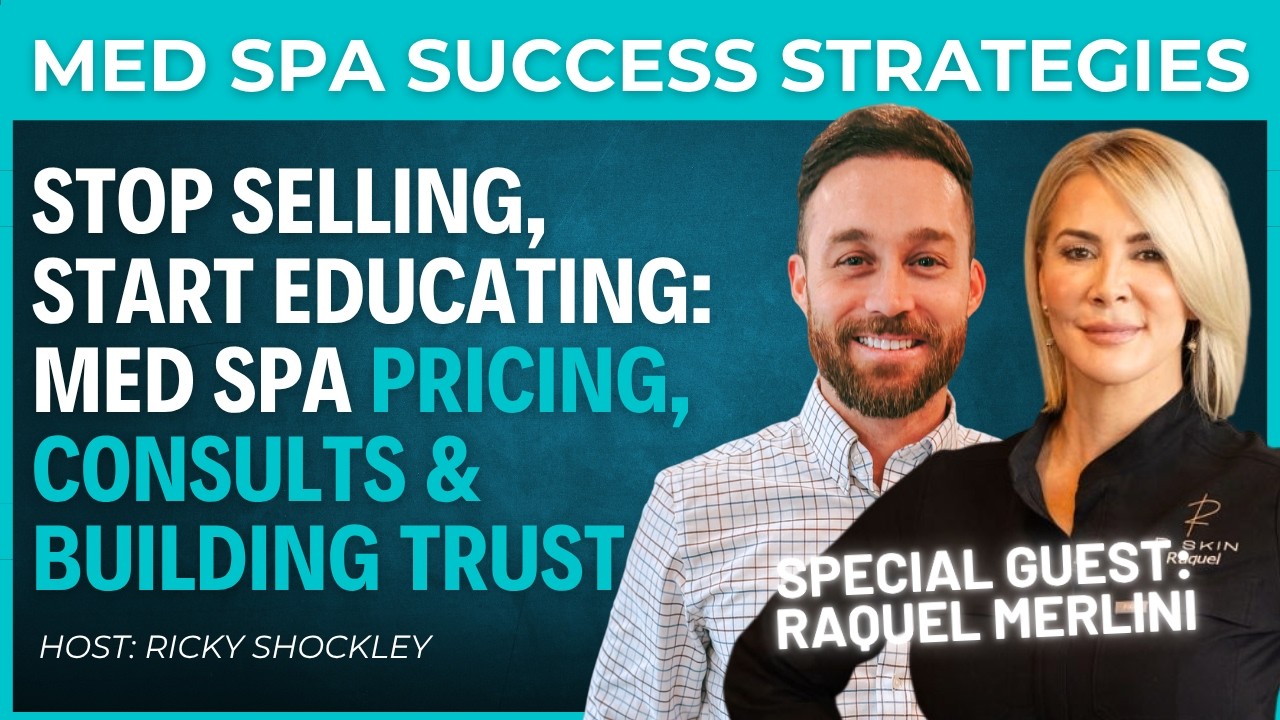
Drawing from over fifteen years in plastic surgery and aesthetic medicine—including transitioning from a seasoned nurse injector to founding R Skin Aesthetics in Birmingham, Michigan—Raquel Merlini shares actionable strategies on how practice owners can build a resilient, patient-centric practice.
Navigating Staff Turnover with Integrity and Accountability
Staff turnover is one of the most emotionally and logistically taxing aspects of owning a business. Many business owners carry a romanticized belief that team members will remain forever. In reality, industry data indicates that the average aesthetic injector stays with a practice for three to five years. Accepting this shift allows practice owners to navigate departures with adaptability rather than panic.
The Danger of Loyalty Without Accountability
It is easy for practice owners—especially those who mentor their staff—to blend personal loyalty with business management. However, unchecked loyalty can stall practice growth:
- The Mindset Gap: Providers often see their role solely through a clinical lens. They may not recognize the overhead required to operate a business, including staffing, marketing, medical supplies, insurance, and continuous team development.
- Impact on Patient Outcomes: When a provider fails to hit production goals, rejects ongoing training, or requires repeated patient touch-ups, the entire practice suffers.
- Protecting Practice Standards: Maintaining team members who resist growth ultimately hurts the rest of the staff and damages patient trust. Having difficult conversations about performance is essential; when improvement stalls, parting ways is necessary for the health of the practice.
Handling Departures Amicably vs. Navigating Performance Issues
Not all turnover stems from conflict. When an injector resigned after having a baby to work closer to home with different hours, the transition was transparent and amicable. In contrast, departures caused by lack of growth or misalignment require practice owners to step back, evaluate the breakdown, and prioritize the practice’s long-term standards.
Ethical Recruitment: The Power of Industry Courtesy
The aesthetic industry frequently suffers from a “fly-by-night” culture, where providers jump from practice to practice seeking instant gratification. When filling open roles, ethical recruitment protects both your local reputation and industry relationships.
The Ethics of Hiring Experienced Talent
When R Skin Aesthetics needed an experienced provider, an industry representative recommended Nora—an established injector with eight years of experience, excellent clinical skills, and a strong client base. However, Nora had recently been caught in the crossfire of a partnership split between two business owners, one of whom was a close colleague of Raquel’s (Courtney).
Instead of quietly poaching talent, the professional approach involved direct communication:
- Direct Employer Outreach: Reaching out to Courtney to explain the situation transparently.
- Seeking Mutual Blessing: Offering to forego the hire out of respect for their professional relationship if Courtney felt uncomfortable.
- Outcome: Courtney gave her full blessing, praising Nora’s skills and validating her fit for the practice.
Taking the high road created an immediate win: Nora integrated seamlessly into the team culture, transforming the workplace dynamic from a one-sided educational role into a high-level clinical collaboration.
Balancing Process and People
A common debate in practice management is whether outcome predictability comes down to rigid processes or hiring the right people.
Building a High-Performing Team:
- Standardized Systems: Intake protocols, treatment blueprints, and clear consent flows.
- Right People / Role: Emotional acuity, receptivity to feedback, and alignment with practice vision.
While assembly-line businesses rely strictly on standardized operations, aesthetic practices require both strong protocols and emotionally intelligent team members:
- Process Failure vs. Person Failure: When mistakes occur, analyze whether the operational system failed or if an individual in the system represents a weak link.
- Character-Building Debriefs: After any practice hiccup, hold post-incident reviews with key team members (such as the Patient Coordinator) to answer a core question: What structural adjustments can prevent this mistake moving forward?
Transforming Consultations: Education Over Selling
Many medical providers struggle with consultations because they view patient interactions as binary: either you push high-pressure sales, or you remain passive and offer zero guidance. The latter results in low revenue per visit and missed clinical goals.
The Assessment-First Consult Model
Medical professionals are trained to assess and educate. Applying this mindset eliminates the discomfort of feeling like a salesperson:
- Establish Relationship-Driven Dialogue: Start consultations with warm, open-ended conversations about the patient’s life, travel, family, and daily routine.
- Observe Dynamics in Motion: While making small talk, subtly assess their facial movement patterns, fat pad descent, muscle strength, and emotional readiness.
- Educate on Mechanistic Options: Rather than listing prices, explain treatment categories:
- Bio-stimulators: Explain how they rebuild structural foundation over time.
- Hyaluronic Acid (HA) Fillers: Explain how they restore immediate volume for upcoming timelines.
- Neurotoxins: Detail how relaxing underlying muscle movement creates a smooth canvas before layering structural products (“baking the cake”).
Prioritizing Patient Care Over Quick Transactions
A brand-new patient requested immediate treatment during her initial consultation. During the conversation, she mentioned an upcoming colonoscopy scheduled three days later.
Rather than taking the quick sale, the appointment was paused: placing a patient face-down during a procedure so shortly after neurotoxins increases the risk of product migration and poor recovery. Prioritizing safety over immediate revenue demonstrated high integrity, transforming a first-time visitor into a trusting, long-term client.
Managing Financial Constraints Without Sacrificing Value
Economic fluctuations directly impact client spending. Aesthetic practices must implement structured pricing frameworks that protect practice margins while remaining accessible to patients.
Structuring Transparent Financial Options
Avoid emergency flash sales or Groupon-style discounting, which devalue services and attract bargain-hunting clients. Instead, offer transparent, structured value:
- Targeted Care Plans: If a patient presents a tight budget (e.g., $300), avoid making them feel embarrassed. Identify their primary area of concern (e.g., glabella/frown lines), treat that specific area, and map out a plan for full treatment when their budget permits.
- Structured Practice Memberships: Offer structured tier packages (such as an Influence Program) that provide predictable savings on recurring treatments.
- Banking Systems: Establish an internal “practice bank” allowing clients to incrementally save funds toward future high-ticket treatments.
The Phased Blueprint Model
When presenting major treatment plans like full-face balancing, follow a clear three-step approach:
- Present Comprehensive Blueprint: Establish the ideal end result upfront (e.g., $5,000 total goal).
- Evaluate Patient Budget & Timeline: Assess financial comfort and scheduling constraints together.
- Break Down into Sequential Phases:
- Phase 1: Upper Facial Third (Current Visit)
- Phase 2: Mid-Face Restoration (Month 3–4)
- Phase 3: Lower Face Definition (Month 6+)
Presenting the ideal treatment plan upfront while offering a phased execution model empowers patients to self-select what fits their current finances without compromising their long-term vision.
Elevating Support Staff into Key Retention Anchors
Practice owners often attribute patient loyalty entirely to injectors. However, support staff—including medical assistants and front desk coordinators—serve as critical retention anchors.
Clinical Support and Touch-Up Management
When a patient calls with concerns regarding residual movement two weeks post-treatment, bring them in immediately:
- Missed Areas: If photo documentation reveals an area was missed by the provider, absorb the cost and correct it free of charge to uphold service standards.
- Under-Treatment Issues: If the patient received fewer units than recommended due to budget, educate them gently. Clarify that while their initial outcome was improved, full results require the full dosage in future sessions.
Front Desk Operations as a Growth Driver
The front desk creates the first and last impression of a practice. High-performing coordinators drive practice culture and revenue in two distinct ways:
1. Inclusivity and Calm Communication
A prospective patient called R Skin Aesthetics after being treated rudely by a competitor due to her heavy foreign accent. The front desk coordinator, Kayla, remained patient, clear, and reassuring. That single compassionate interaction converted a frustrated caller into a loyal client.
2. Closing the Consultation Loop
An injector completed a routine neurotoxin treatment but failed to ask about upcoming life events during the session. At checkout, Kayla asked about her schedule, learning the patient was getting married in six weeks. Kayla immediately recommended a Hydrafacial and dermaplaning routine to ensure smooth makeup application. By connecting the dots, the front desk secured additional bookings and delivered a superior client experience.
Maximizing Vendor and Industry Representative Relationships
Vendor representatives should be treated as strategic business growth partners rather than transactional salespeople.
The Vendor Partner Ecosystem:
- Recruitment Support: Sourcing pre-vetted, culture-aligned talent.
- Training Product Grants: Product offsets for internal skill workshops.
- Clinical Audits: Rep-led mock consults and feedback sessions.
When leveraged effectively, strong vendor relationships provide key operational benefits:
- Talent Sourcing: Reps know local market dynamics and can identify skilled, culture-aligned injectors who may be looking for a new practice home.
- Training Product Support: When hosting internal staff development sessions, ask vendors for product support or discounts to offset educational costs.
- Clinical Skill Assessments: Representatives can send regional clinical trainers into your practice to perform mock assessments, audit provider communication, and help developing injectors build confidence.
Strategic Brand Positioning and Social Media Alignment
To stand out in a crowded aesthetic market, practices must clearly communicate their clinical philosophy across all channels.
1. Define Your Outcome Philosophy
Publicly state what your practice stands for—and what it avoids. Communicating a commitment to “refined, natural, non-frozen outcomes” acts as a filter. It repels patients seeking overdone looks and attracts clients who value subtle, age-appropriate rejuvenation.
2. Differentiate Skill Over Product
Commoditization happens when a practice markets syringes rather than expertise. Social media messaging should emphasize comprehensive facial analysis, dynamic movement evaluation, anatomical mastery, and long-term collagen strategies over discounted unit pricing.
3. Feature Associate Providers at the Forefront
Practice owners often hesitate to feature associate injectors on social media out of fear they will eventually leave. However, highlighting your team builds practice value beyond a single owner:
- Demonstrates trust in your staff’s clinical abilities.
- Reassures patients that sitting in any provider’s chair guarantees excellence.
- Diversifies operational risk and positions the business for sustainable, scalable growth.
Building a standout medical spa requires combining clinical integrity with disciplined operations. By handling staff turnover with clear boundaries, structuring patient consultations around education, supporting front-line staff, and maintaining transparent brand positioning, practice owners can create a culture that retains top talent and delivers exceptional patient outcomes.